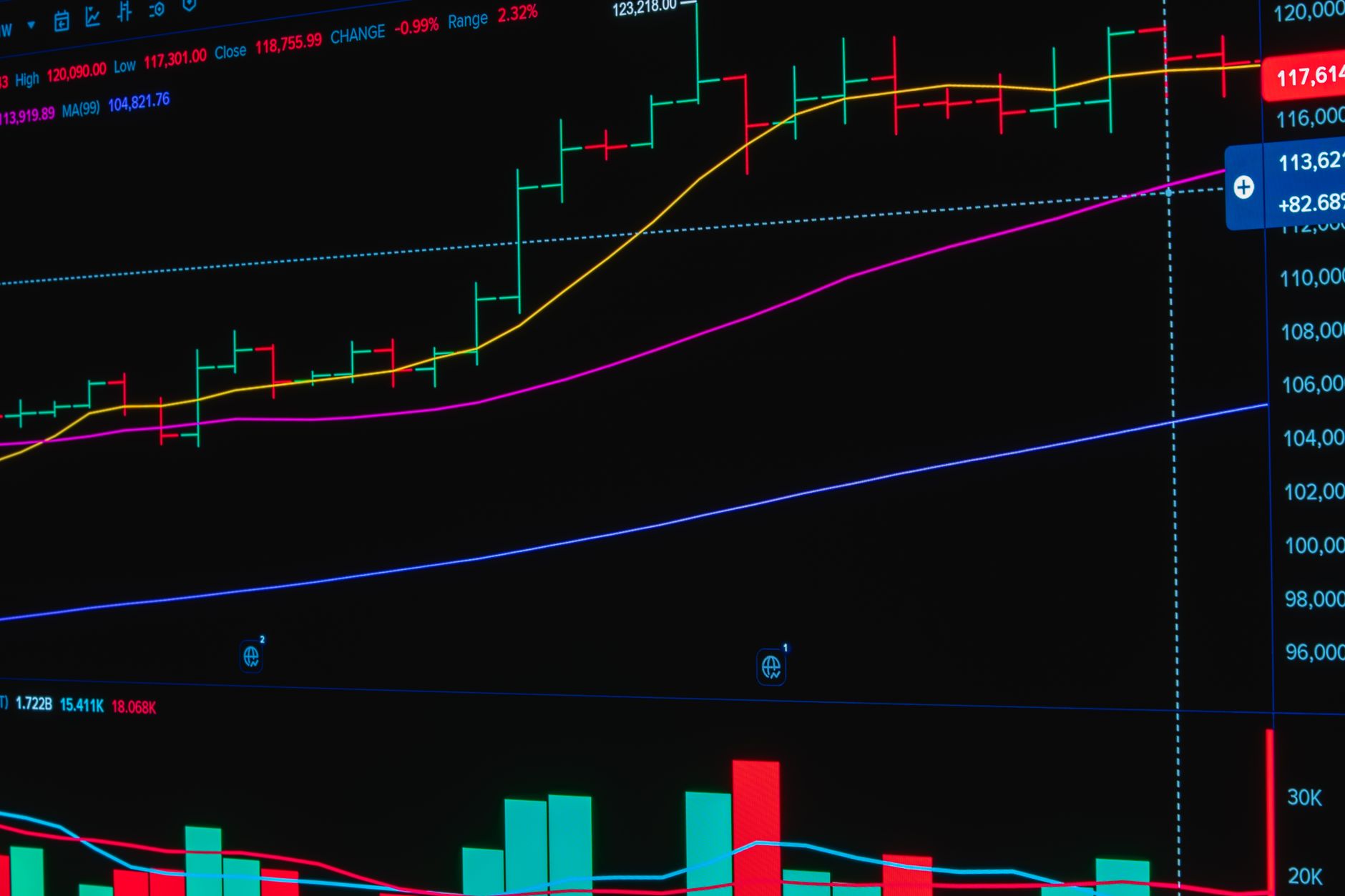
prediction markets regulation is becoming a hot topic as the CFTC moves to separate these markets from sportsbook and casino bets. This shift aims to enhance safety and clarity in the gambling landscape.
Understanding Prediction Markets
Prediction markets, often referred to as information markets or event futures, are platforms that allow individuals to wager on the outcome of future events. These markets harness the collective knowledge of participants to generate insights about potential outcomes, making them valuable tools for forecasting.
Recently, the Commodity Futures Trading Commission (CFTC) has taken steps to separate prediction markets from traditional sportsbook and casino bets. This move highlights the need for a distinct regulatory framework focused on the unique nature of prediction markets.
Key characteristics of prediction markets include:
- Participants can trade shares based on event outcomes, such as elections or economic indicators.
- The prices of these shares reflect the probability of specific events occurring.
- They provide a venue for speculative trading while potentially offering more accurate predictions than polls.
Understanding prediction markets regulation is essential for ensuring their safety and integrity in the evolving landscape of digital betting.
CFTC’s New Regulations Explained
The Commodity Futures Trading Commission (CFTC) has introduced new regulations aimed at clarifying the status of prediction markets within the broader landscape of gambling and betting. This move seeks to separate prediction markets from traditional sportsbook and casino bets, ensuring a more regulated environment for participants.
Key aspects of the new regulations include:
- Definition Clarity: The CFTC aims to clearly define what constitutes a prediction market to distinguish it from other forms of betting.
- Licensing Requirements: Operators of prediction markets will be required to obtain licenses, enhancing accountability.
- Consumer Protections: The regulations will implement measures designed to protect users and their investments.
These changes in prediction markets regulation are seen as a necessary step towards ensuring a safe and transparent environment for participants, fostering confidence in the emerging market.
Impact on Sportsbooks and Casinos
The recent move by the Commodity Futures Trading Commission (CFTC) to regulate prediction markets separately from traditional sportsbooks and casinos has significant implications for the gambling industry. This differentiation aims to provide a safer environment for bettors, ensuring that prediction markets operate under a distinct set of rules.
As a result, sportsbooks and casinos may face increased competition from these newly regulated markets. With clearer regulations, bettors may find prediction markets more appealing due to their innovative nature and potential for higher returns.
However, traditional gambling establishments are likely to adapt by:
- Enhancing their offerings to compete with prediction markets.
- Investing in technology to improve user experience.
- Implementing more responsible gaming practices.
This shift in regulation highlights the need for a comprehensive approach to prediction markets regulation, ensuring both safety and innovation within the gambling sector.
Future of Gambling in the U.S.
The future of gambling in the U.S. is evolving, particularly with the recent changes in prediction markets regulation. As states begin to recognize the unique nature of prediction markets, a clearer framework is emerging that distinguishes them from traditional sportsbook and casino bets.
Key factors influencing this shift include:
- Consumer Protection: Regulators aim to ensure that players are safeguarded from potential fraud and misinformation.
- Market Integrity: Establishing guidelines will help maintain fairness and transparency within these markets.
- Tax Revenue: Properly regulated prediction markets could contribute significantly to state revenues.
As the regulatory landscape continues to develop, stakeholders must adapt to these changes, ensuring that the future of gambling incorporates innovation while prioritizing safety and security.
As the landscape of financial trading evolves, the need for prediction markets regulation becomes increasingly evident. Ensuring that these markets operate safely and transparently will protect investors and enhance market integrity.
Photo by Rafael Minguet Delgado on Pexels


One thought on “Prediction Markets Regulation: The Right Move for Safety”